
NEWS AND INSIGHTS
“Diversity: the art of thinking independently together.”
Featured

click arrows for more blogs





“Diversity: the art of thinking independently together.”
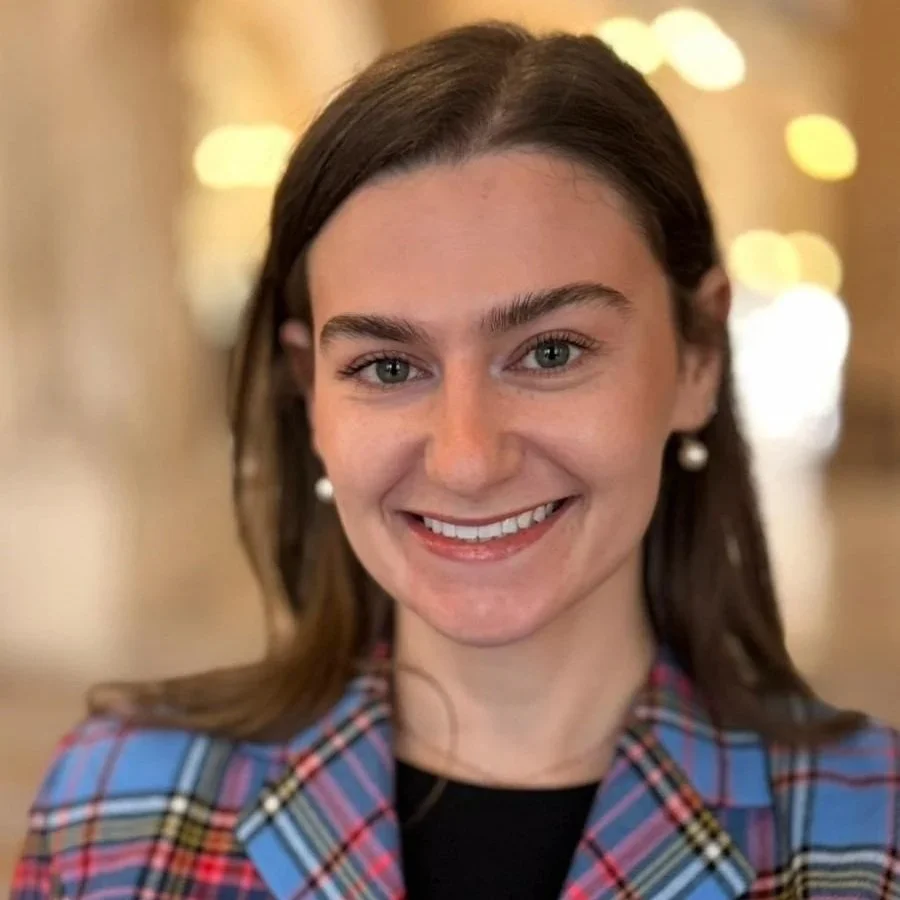
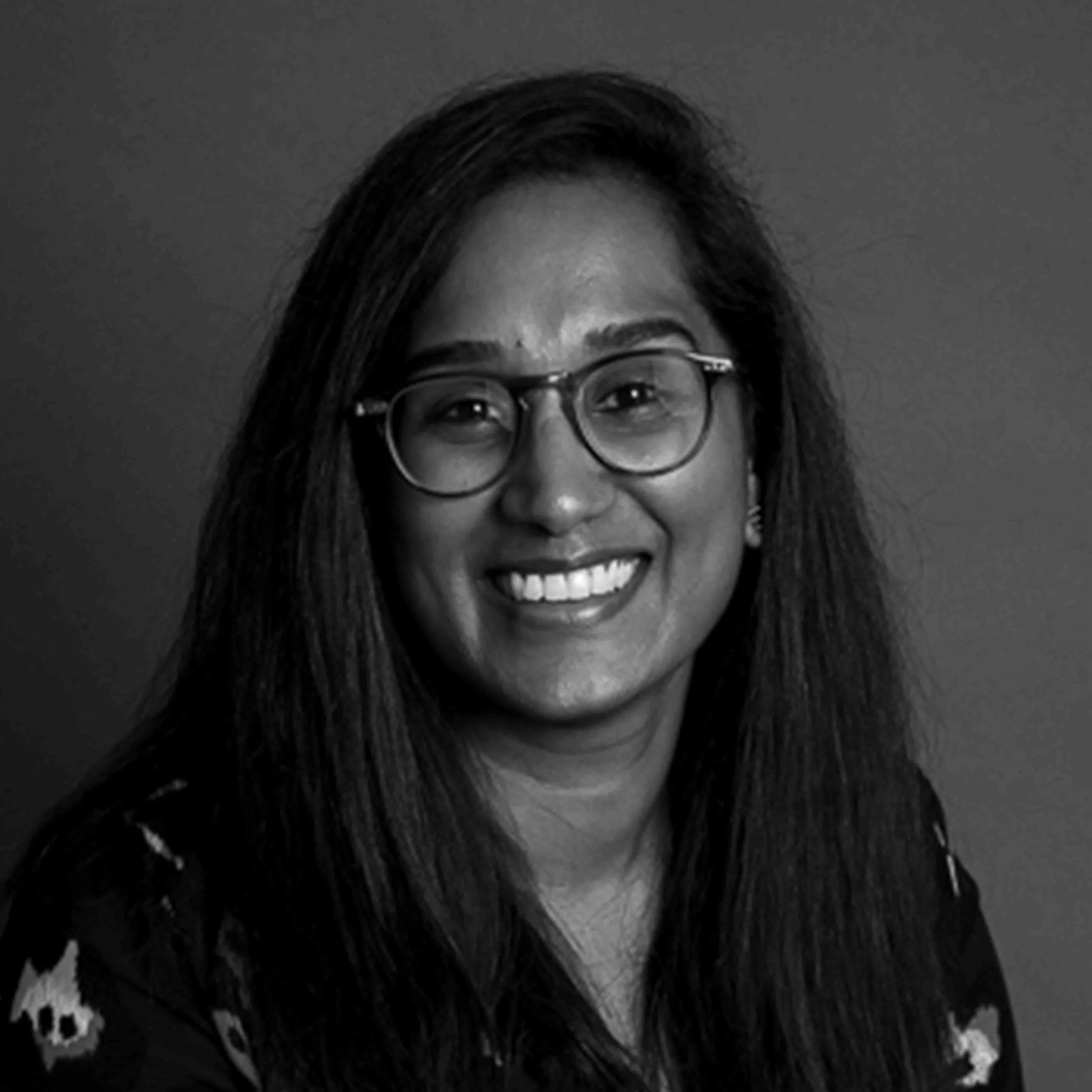
With a career shaped by global experiences, political curiosity and a commitment to inclusive engagement, Angelika Solomons‑Tibi brings a distinctive perspective to the planning and infrastructure sector. Currently an Account Director at Grayling Planning & Infrastructure, she combines academic rigour, lived experience and a passion for social justice to influence how major projects serve communities.
In this conversation, Angelika reflects on her journey, the values that guide her work, and the importance of building spaces where every voice is heard.
Toilets are often treated as a technical detail in design, tucked away in the back of a plan or left to minimum regulatory standards. Yet for many people, toilets are where inclusion — or exclusion — is felt most sharply. They are spaces where identity, safety, dignity, and access converge. When we design toilets without an intersectional lens, we risk designing for an imagined “default user” who simply does not exist.
An intersectional approach recognises that people experience the built environment differently depending on the interplay of gender, race, disability, faith, age, caring responsibilities, health conditions, and more. Toilet provision is one of the clearest examples of why this matters.
Inclusion has never been about intention alone. In 2026, as organisations navigate restructures, budget pressures and shifting priorities, inclusion becomes both harder and more essential. This year’s theme – Build Trust. Navigate Change. – invites us to recognise that trust is built through action, honesty and consistency, especially when circumstances are uncertain.
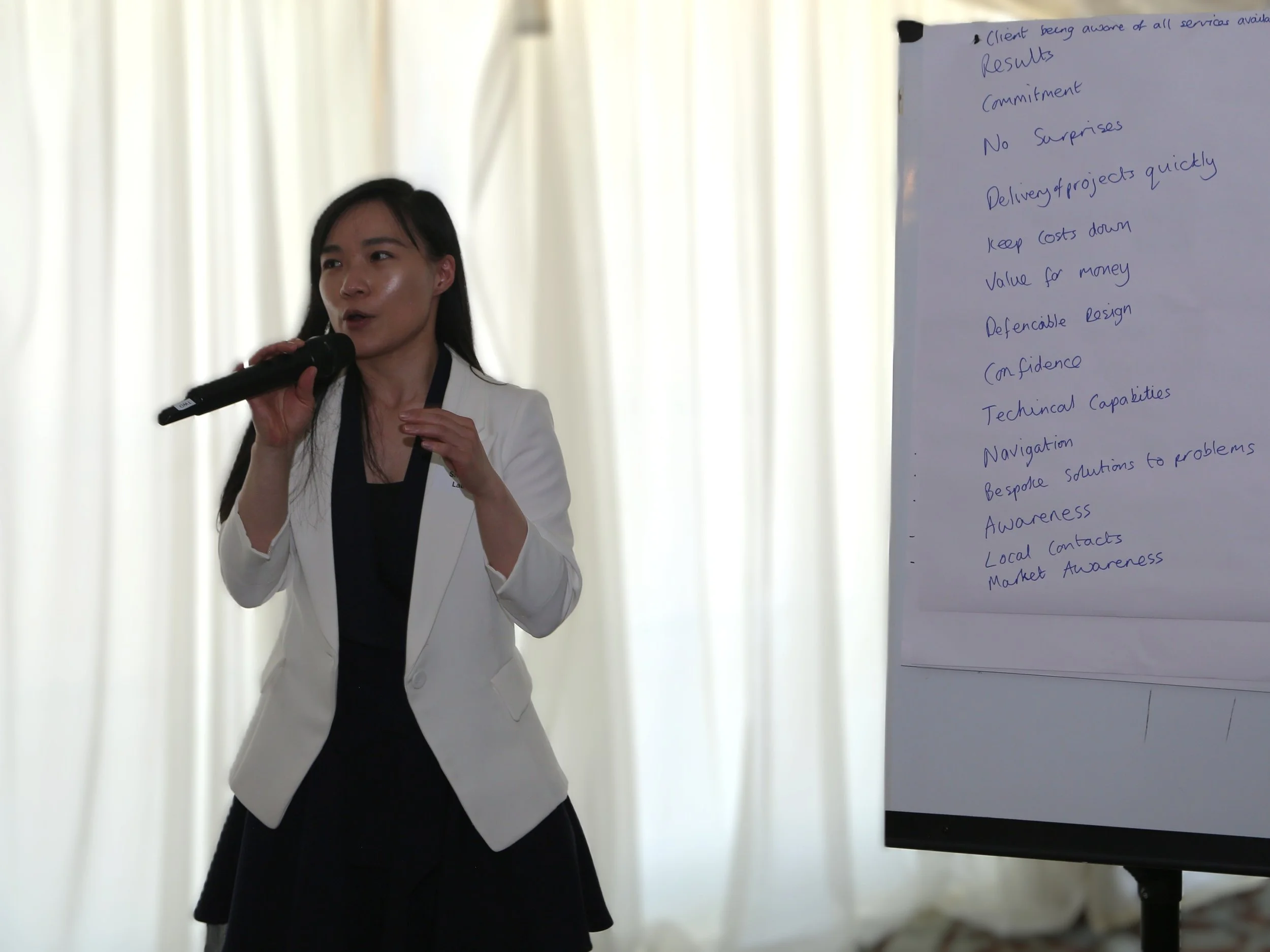
For ESEA Heritage Month and this year’s theme, ‘Evolving Threads,’ we are pleased to share a piece by Shelly Lau, Senior Transport and Chartered Town Planner at Mayer Brown Ltd. Shelly’s reflections trace how identity and belonging are shaped not through grand gestures, but through everyday interactions — conversations over coffee, moments of advocacy, and the quiet cultural cues that influence how we show up at work and with one another. Her story highlights the role of Cultural Intelligence: the ability to recognise different cultural norms, adapt our communication, and build genuine connection across backgrounds. In exploring collective versus individualistic mindsets, championing others, and creating space for people to be heard, Shelly shows how these small acts become the evolving threads that strengthen community, open doors, and help us carry each other forward.
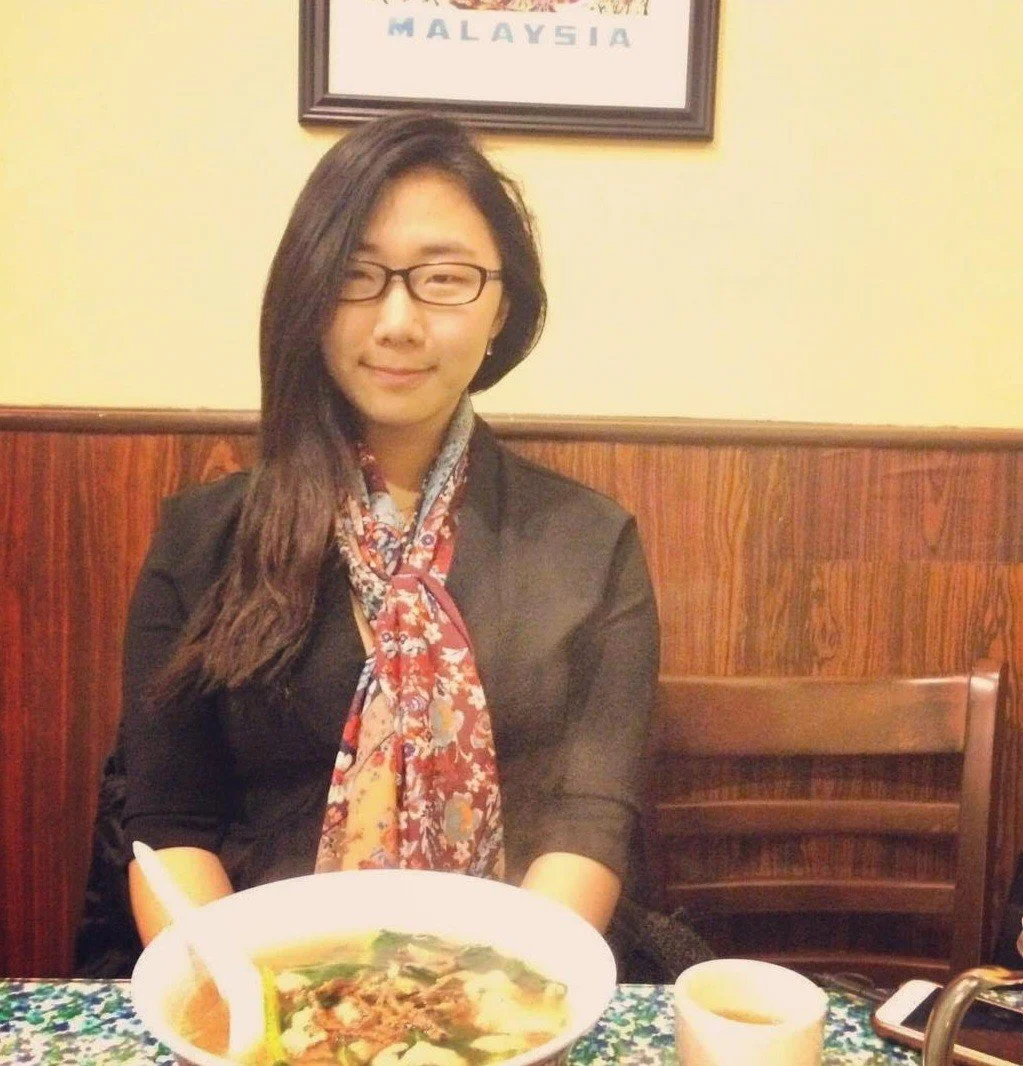
As part of this 2026 ESEA Heritage Month theme, ‘Evolving Threads,’ we are delighted to share a personal reflection from Jiyoung Jo, Senior Cities Specialist at ING Media. In her piece, Jiyoung traces how food becomes a vessel for memory, migration and identity – revealing the ways our cultural threads shift, adapt and take on new meaning as we move through the world.
With a career shaped by global experiences, political curiosity and a commitment to inclusive engagement, Angelika Solomons‑Tibi brings a distinctive perspective to the planning and infrastructure sector. Currently an Account Director at Grayling Planning & Infrastructure, she combines academic rigour, lived experience and a passion for social justice to influence how major projects serve communities.
In this conversation, Angelika reflects on her journey, the values that guide her work, and the importance of building spaces where every voice is heard.
Montagu Evans has been a long-standing corporate partner of PREACH Inclusion, with a clear commitment to building a more inclusive and equitable workplace. In this interview, Priya Aggarwal-Shah sat down with Bhavini Shah, the firm’s Head of Diversity, Equity & Inclusion (DE&I), to discuss her journey into the sector, her career as a surveyor, and the work required to embed cultural change across a business.
Toilets are often treated as a technical detail in design, tucked away in the back of a plan or left to minimum regulatory standards. Yet for many people, toilets are where inclusion — or exclusion — is felt most sharply. They are spaces where identity, safety, dignity, and access converge. When we design toilets without an intersectional lens, we risk designing for an imagined “default user” who simply does not exist.
An intersectional approach recognises that people experience the built environment differently depending on the interplay of gender, race, disability, faith, age, caring responsibilities, health conditions, and more. Toilet provision is one of the clearest examples of why this matters.
As we step into 2026, it feels important to pause and reflect on the year just gone. 2025 was a year of turbulence for diversity, equity and inclusion (DE&I). Globally, we saw policies rolled back, titles changed, and programmes dropped under political pressure. In the UK, far‑right rhetoric gained visibility, reshaping public debate and creating new challenges for organisations committed to equity. Yet amidst the uncertainty, there were moments of resilience and clarity. Companies like Transport for London (TfL) took a stand, showing that inclusivity is not optional but integral to values alignment and business success.
For those of us running DE&I consultancies, such as PREACH Inclusion, 2025 was a reminder that our work must constantly evolve. It was a year of pivoting – towards empathy, allyship, and authenticity – and it set the stage for what I believe will define the year ahead.
As 2025 draws to a close, it feels important to pause and reflect on what this year has meant for diversity, equity and inclusion (DE&I) – both globally and here in the UK. Running a DE&I consultancy like PREACH Inclusion during such turbulent times has offered a front‑row seat to the challenges, the resilience, and the shifts shaping the sector. This review captures the peaks and troughs of the year, the responses from organisations and communities, and my own perspective on what lies ahead in 2026.
This Black History Month, we caught up with Charlotte Palmer, Raheem Adepoju and Kayleen Owusu-Boateng — three professionals working across planning, development and communications at organisations partnered with PREACH Inclusion®.
In this conversation, they reflect on their roles in shaping the built environment, the visibility of Black heritage in public spaces, and how identity and lived experience influence their work. From community engagement and cultural representation to power and policy, they speak candidly about what meaningful inclusion looks like — and what this year’s Black History Month theme, “Standing Firm in Power and Pride,” means to them both personally and professionally.
National Inclusion Week is a call to embed inclusion as daily practice, not just principle, especially in a climate where far-right extremism and identity-based hate are resurging. This year’s theme, Now is the Time, urges organisations to move from performative gestures to courageous, sustained action. For many ethnic minority communities, these threats are not new, and the question remains: who truly belongs, and who is still being pushed to the margins?
In this South Asian Heritage Month edition of our In Conversation With series, we speak to Usamah Iqbal, Senior Planner at Pegasus Group – one of PREACH Inclusion’s corporate partners. Usamah’s story is one of rootedness and reinvention, from his family’s migration story and community ties in Edinburgh, through to his role as a young planner in shaping Scotland’s built environment and advocating for representation in planning.
Each year, South Asian Heritage Month invites us to reflect on the rich histories and contributions of South Asian communities in the UK. This year’s theme, “Roots to Routes,” explores how our origins shape the journeys we take. At PREACH Inclusion®, we’re proud to spotlight Alisha Miah, a Graduate Surveyor at Savills, whose story - from her father’s migration from Bangladesh to her own path into real estate - beautifully captures this theme.
This month, we caught up with Tom Cherrill, Account Director, and Iman Mohamed, Account Executive, from Grayling Planning & Infrastructure (P&I) – one of PREACH Inclusion’s corporate partners. Grayling’s P&I team provides communication and stakeholder engagement services that support the UK’s energy transition, major economic development projects and infrastructure delivery.
This month, we caught up with Dina Morsy, Senior Consultant and Lenishae Brown, Graduate Surveyor at JLL – one of PREACH Inclusion’s corporate partners.
Both Dina and Lenishae have carved out impressive careers in real estate and property management, while navigating challenges and breaking down barriers. As Co-Chairs of Race for Change (R4C), JLL’s Business Resource Group focused on racial equity, they are helping to create a workplace where diverse perspectives are valued, ensuring that real estate is built for everyone – not just a select few.
As we mark one year since rebranding to PREACH Inclusion, we're taking a moment to reflect on the transition - what we've learnt, how we've adapted and the impact of embracing a name that better reflects our values.
Moving away from BAME in Property was about more than just language. It was about creating space for race, ethnicity, and cultural heritage to be explored meaningfully. The shift has reinforced the importance of intersectional inclusion, cultural intelligence and thoughtful conversations about identity
As part of this 2026 ESEA Heritage Month theme, ‘Evolving Threads,’ we are delighted to share a personal reflection from Jiyoung Jo, Senior Cities Specialist at ING Media. In her piece, Jiyoung traces how food becomes a vessel for memory, migration and identity – revealing the ways our cultural threads shift, adapt and take on new meaning as we move through the world.