2025 – The Peaks and Troughs of Diversity and Inclusion
As 2025 draws to a close, it feels important to pause and reflect on what this year has meant for diversity, equity and inclusion (DE&I) – both globally and here in the UK. Running a DE&I consultancy like PREACH Inclusion during such turbulent times has offered a front‑row seat to the challenges, the resilience, and the shifts shaping the sector. This review captures the peaks and troughs of the year, the responses from organisations and communities, and my own perspective on what lies ahead in 2026.

Priya Aggarwal-Shah, Founder and Director of PREACH Inclusion.
Running a DE&I business under threat
How do you run a diversity, equity and inclusion (DE&I) business when the very premise of DE&I is under attack? This year has seen pushback from governments, corporations, and sections of society – challenging its benefits, questioning its integrity, and undermining its foundations. There’s no sugarcoating it: 2025 has been a tough year for diversity and inclusion efforts.
In February, Donald Trump returned as President of the United States, signalling an abandonment of DE&I policies. Overnight, government officials working in this space lost their jobs. Large corporations were asked to drop their policies, change their terminology, or risk losing contracts. Many companies with headquarters in the USA had no choice but to comply. With immediate effect, I was no longer emailing “Heads of Diversity, Equity and Inclusion” but instead “Heads of Employee Experience.” But does changing the title mean a change in ethos and effort?
The UK response
So how has this impacted DE&I approaches in the UK? Many organisations continued with their programmes, albeit with greater caution. Campaigns were rolled back, events were reviewed, and conversations that once felt warm quickly turned cold.
As I emphasise in my own training through PREACH Inclusion, the response must be rooted in empathy. The individuals whose titles were changed or whose programmes were dropped were themselves fearful; worried about job security and whether all the progress they had made would be erased.
One of the most significant outcomes was Transport for London (TfL) formally ending its relationship with global consultancy Accenture after the firm scaled back its DE&I commitments. Kudos to TfL for taking a stand and showing the implications of dropping inclusion standards – quite literally, loss of business. We often talk about this in theory: lack of diversity equals loss of business. TfL’s decision demonstrated this in practice, highlighting the importance of values alignment in public sector procurement, particularly around social governance and inclusivity. More importantly, it sent a message that being inclusive within the business is not enough – ethics must be embedded across the supply chain.
“Kudos to TfL for taking a stand and showing the implications of dropping inclusion standards – quite literally, loss of business. We often talk about this in theory: lack of diversity equals loss of business. TfL’s decision demonstrated this in practice.”
Shifting UK politics
The UK has not been immune to radical politics. Far‑right movements have become increasingly visible, reshaping public debate and exerting pressure on mainstream parties. Once confined to the margins, far‑right groups have capitalised on economic insecurity, cultural anxieties, and distrust in institutions to mobilise large audiences. Their rhetoric – often centred on nationalism, anti‑immigration sentiment, and hostility toward Muslims and minority communities – has begun to seep into the political mainstream, normalising exclusionary narratives.
This rise poses a direct challenge to diversity and inclusion. Far‑right movements thrive on division, presenting equality as a zero‑sum game where gains for marginalised groups are framed as losses for others. Such narratives undermine efforts to build inclusive workplaces and communities, eroding trust and belonging. The impact is particularly acute for communities already facing structural inequalities. Muslims, Black and South Asian groups, and LGBTQ+ communities are disproportionately targeted, experiencing compounded risks ranging from housing insecurity to rising hate crimes.
On the one hand, this has been a threat. On the other, it has highlighted the urgent need for inclusive policies. Employers cannot ignore what is happening – whether it’s dealing with local authorities that now have Reform councillors and committee members, or considering the safety of employees during site visits and engagement events.
“Far‑right movements thrive on division, presenting equality as a zero‑sum game where gains for marginalised groups are framed as losses for others. ”
Pivoting practice
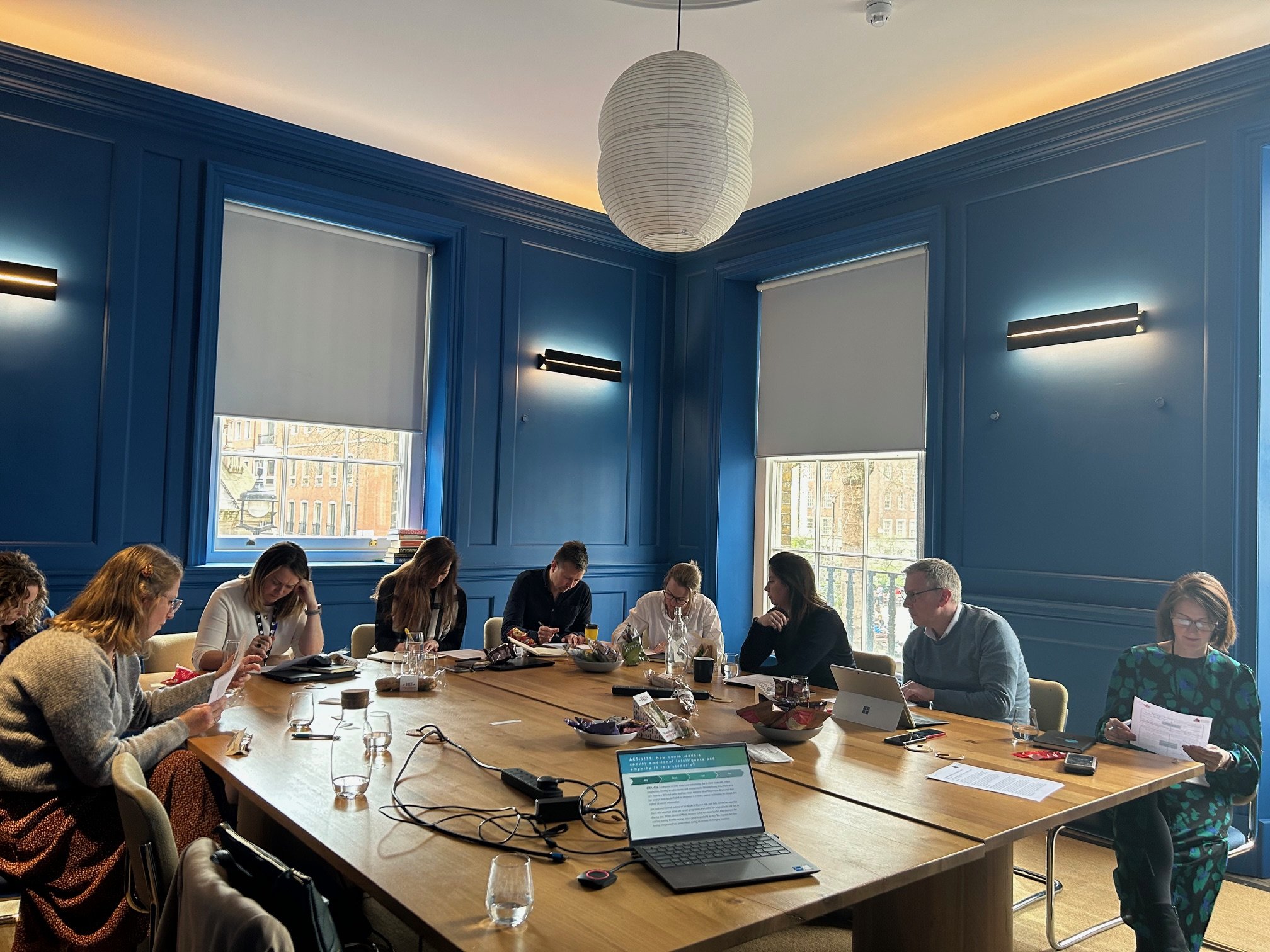
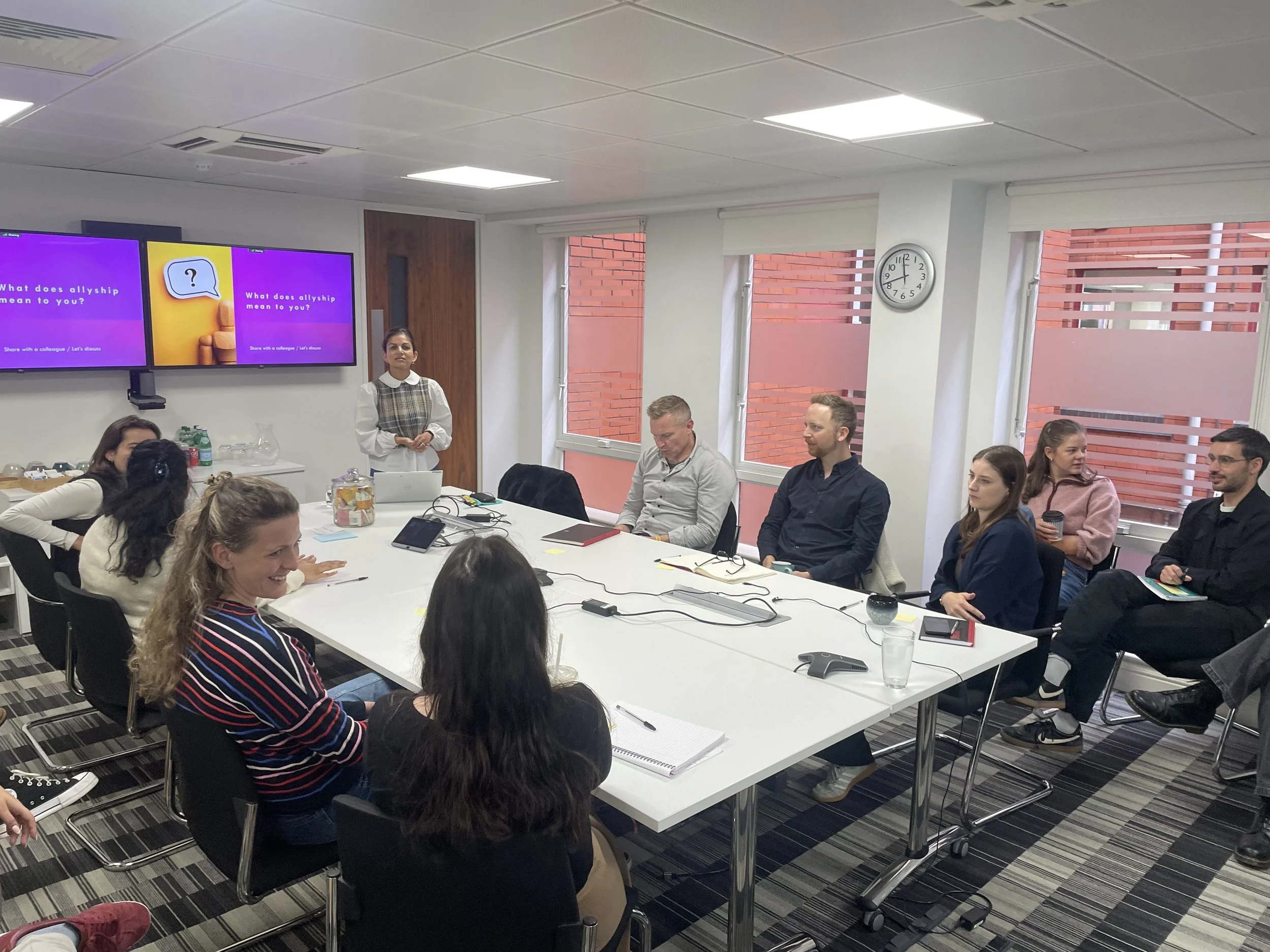
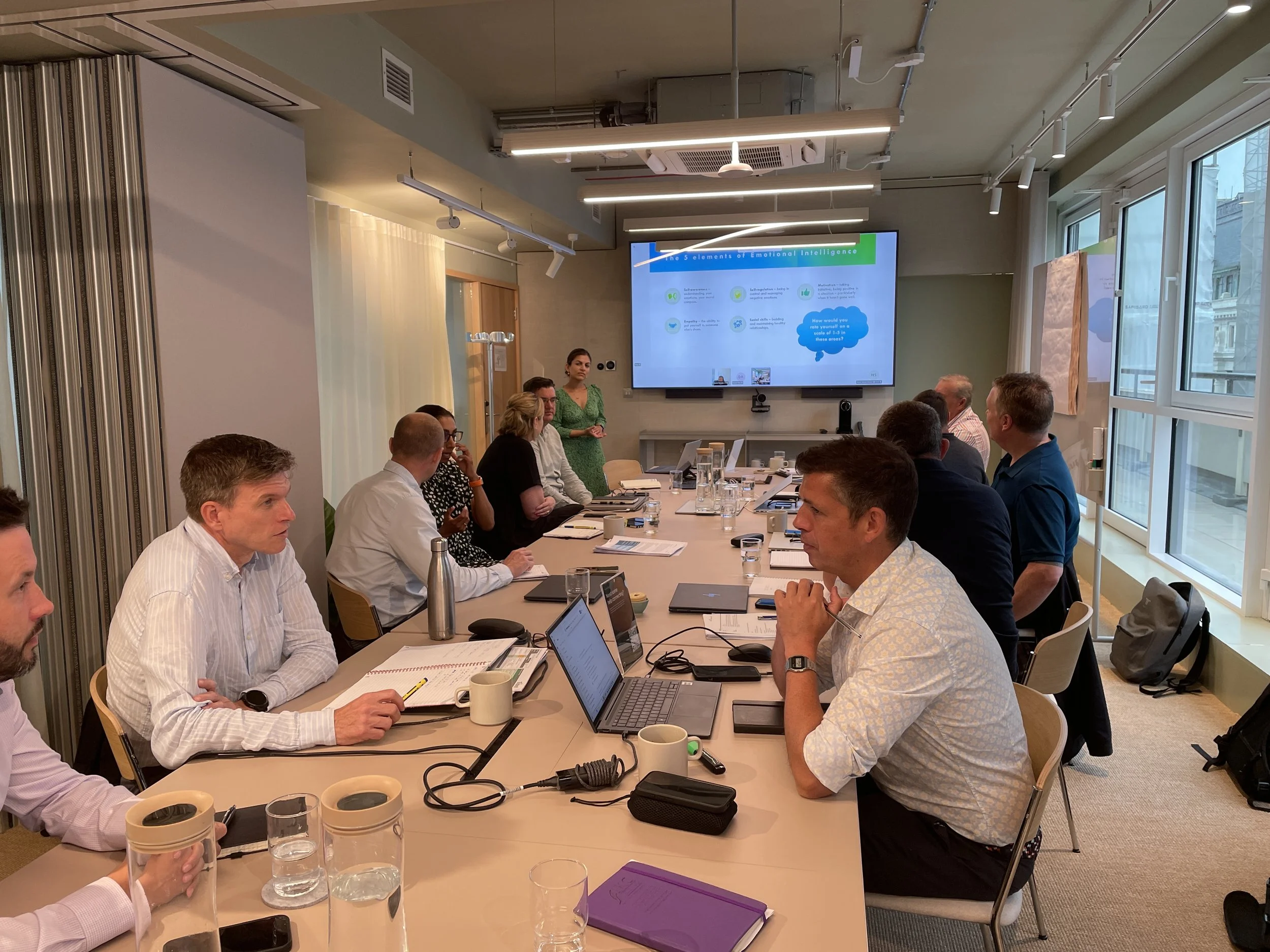
For me, this year has been about pivoting my consultancy and approaches. At PREACH Inclusion, our practice has always been about evolving – responding to public discourse and sentiment – and 2025 was no different. With growing political threats, global conflict, economic challenges, and the rise of artificial intelligence, my training and consultancy have increasingly focused on empathy and allyship.
Understanding different positions, supporting colleagues in the right way, and not being afraid to have challenging conversations have been central. The leaders who succeed are those who step into spaces that don’t feel familiar.
A core part of my work is sharing insights. From personal experiences to DE&I reflections, I’ve never shied away from speaking up on LinkedIn. For those not ready to commit to paid services, this has been a way to benefit from my work in a different form.
“At PREACH Inclusion, our practice has always been about evolving – responding to public discourse and sentiment – and 2025 was no different. ”
Rethinking events
This year has also shown that the usual events are no longer enough. Collaboration over competition, and raw and unfiltered conversations over polished, surface‑level gatherings – that has been my approach. Our #InConversationWith series allowed audiences to listen and learn from authors, thinkers, and speakers with diverse lived experiences. It stepped outside the usual cookie‑cutter property events and offered something authentic.

Our #InConversationWith event with Sheela Banerjee.
Predictions for 2026
Looking ahead, I see several shifts on the horizon:
Greater focus on intersectionality: This will be reflected in the launch of a new guidebook, produced in partnership with the London Property Alliance and Future Places Studio, sharing insights, case studies, and practical guidance.
Quality over quantity: Not every calendar day or campaign needs to be celebrated. Instead, organisations should choose a few meaningful initiatives and do them well.
Impact over intent: It’s not enough to show up at an event or training session. The real question is: what happens afterwards? How are behaviours changing, and how are biases being continuously challenged?
Final remarks
2025 has been a year of peaks and troughs for diversity and inclusion. The threats are real, but so too is the resilience of those committed to equity. For practitioners, businesses, and communities, the challenge is to keep evolving – embedding ethics across supply chains, amplifying marginalised voices, and ensuring that inclusion is not just a value but a lived practice.
Join our next #InConversationWith event HERE.