Threads That Start With a Conversation
For ESEA Heritage Month and this year’s theme, ‘Evolving Threads,’ we are pleased to share a piece by Shelly Lau, Senior Transport and Chartered Town Planner at Mayer Brown Ltd. Shelly’s reflections trace how identity and belonging are shaped not through grand gestures, but through everyday interactions — conversations over coffee, moments of advocacy, and the quiet cultural cues that influence how we show up at work and with one another. Her story highlights the role of Cultural Intelligence: the ability to recognise different cultural norms, adapt our communication, and build genuine connection across backgrounds. In exploring collective versus individualistic mindsets, championing others, and creating space for people to be heard, Shelly shows how these small acts become the evolving threads that strengthen community, open doors, and help us carry each other forward.
By Shelly Lau
A few years ago, I came to the UK alone, knowing no one. The first thing I did – and I’m still doing today – was take every opportunity to meet new people in person and build rapport with those I met. Conversations sparked, the journey began, and I have kept evolving ever since.
I didn’t stop when I got my first job; I’m enthusiastic about sharing my journey and offering personalized career advice. In particular, I share tips on preparing a British-style CV and job interviews with others whenever I have the chance. These conversations and encounters brought me the opportunity to meet Shelley Purchon at English Unlocked. Together, we created ‘Job Seeking Tips for Hong Kongers’ and co-host a workshop to change the way other Hongkongers apply for jobs, so they can find their place in the UK job market. Shelley has a long, well-established career teaching English as a Foreign Language to people from around the world. As we exchange thoughts and ideas, I gain a better understanding of how our different mindsets and assumptions shape the way we present ourselves and approach others.
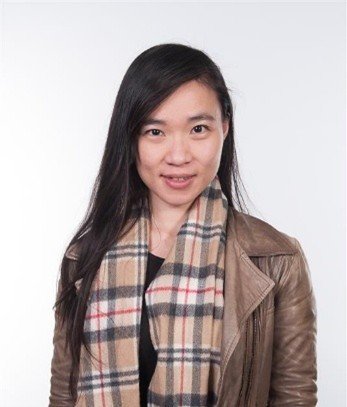
Shelly Lau
Being Seen, Being Heard, Championing Others
While I built a varied and successful career after moving to the UK, I still love hearing stories from others – including those with minority and/or mixed cultural backgrounds – through which I keep learning and broadening my horizons. When I worked at Arup, I made time for lunch and coffee breaks with colleagues from various backgrounds. Being open and curious, without bias or judgement, is key. I listen to every ‘small’ thing they share, whether it’s work-related or personal. What doesn’t bother me might mean a great deal to someone else.
People from collective cultures tend to share success and use the word “we”, whereas those from individualistic cultures tend to highlight personal wins and use the word “I”. I find it useful to give credit to colleagues who help me during our weekly resourcing calls, especially those who quietly do an amazing job without saying a word. It’s just as critical for seniors and leadership to set this culture. I once had a project manager from another team email my line manager to recognize my skills and contributions to his project. Depending on the organizational power of the person championing you, they may find it difficult to recommend you for promotion – but it’s often easier for them to advocate and open doors instead. I was once recommended by a work buddy to get involved in a high-profile project led by another team.
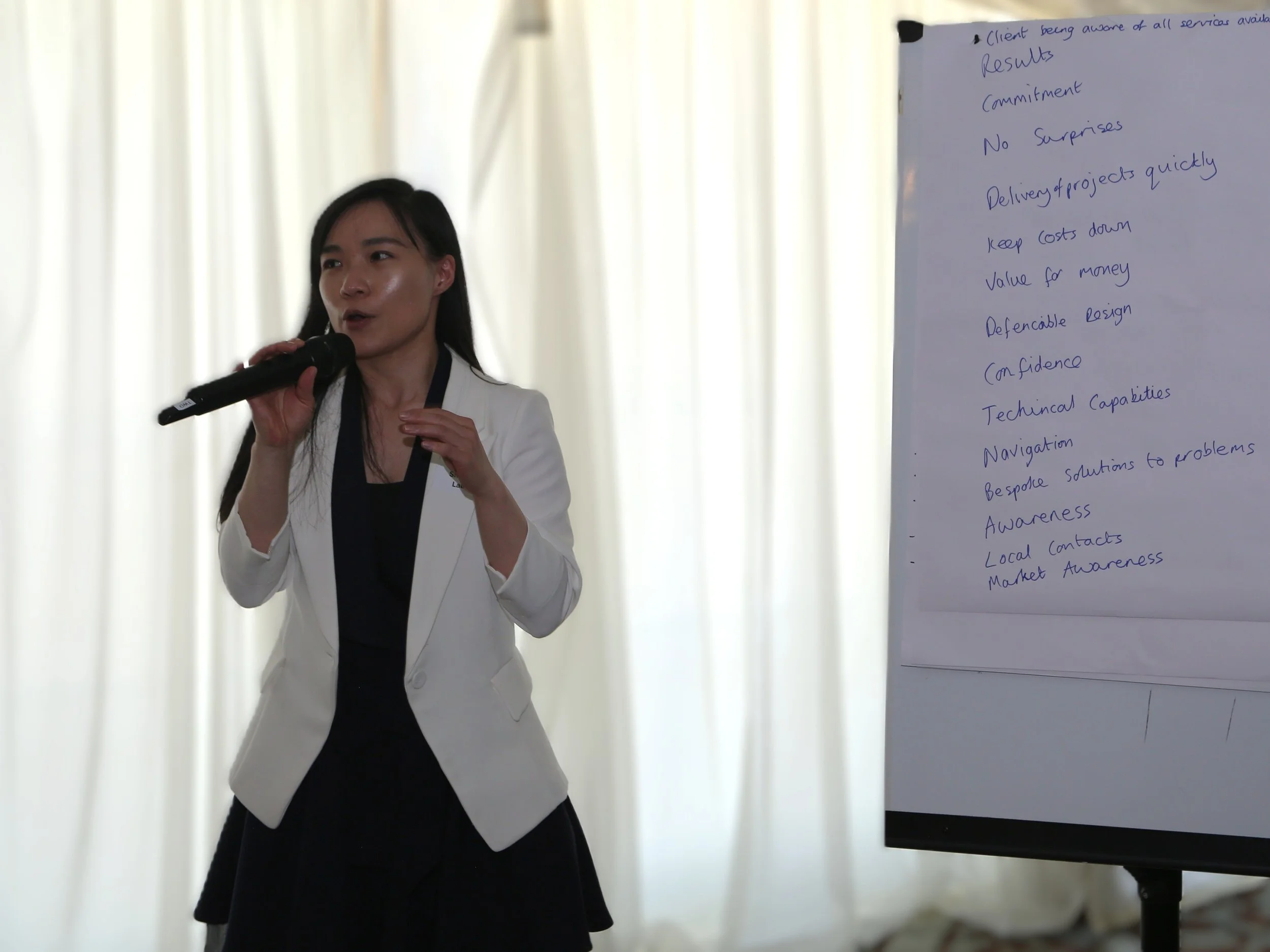
Shelly sharing key points from a group discussion around building rapport with clients on the Employee Away Days 2026 at Mayer Brown.
Another challenge is that I sometimes stay silent during a heated debate to keep the peace, which can be mistaken by others as a lack of interest or intelligence. People from collective cultures tend to think of others and protect their feelings first in a meeting; we tend not to provoke public disagreement that causes people to lose face or feel shame. That’s why it’s so important that we pay attention and call out bias when it happens. I’m still learning to find the courage to speak up for others in the room. Often, I take the conversation offline and speak to both sides, to facilitate communication and create a more inclusive space wherever I can. Sometimes it only takes a few coffee breaks to make others feel heard and valued.
The Threads We Weave
None of this is grand gesture-making. It’s a CV tip over coffee, a quiet word of credit on a call, a recognition email, a colleague who takes the conversation offline so another person is heard. On their own, these acts are modest. Together, they become the threads that hold our community up – flexible enough to adapt, strong enough to carry each other forward. We tend to notice a thread only once it’s missing. Let’s not wait that long to value – and keep weaving – our own.
Learn more about ESEA Month on our dedicated page here.